
- Time : Monday-Sunday : 8:00am-6:00pm
- Phone : +255 (0) 654 849 234
- Address : Kianga, Zanzibar
25
Year
ZanGreen Initiative Participates in the Zanzibar Civil Society Forum (ZANGOF)
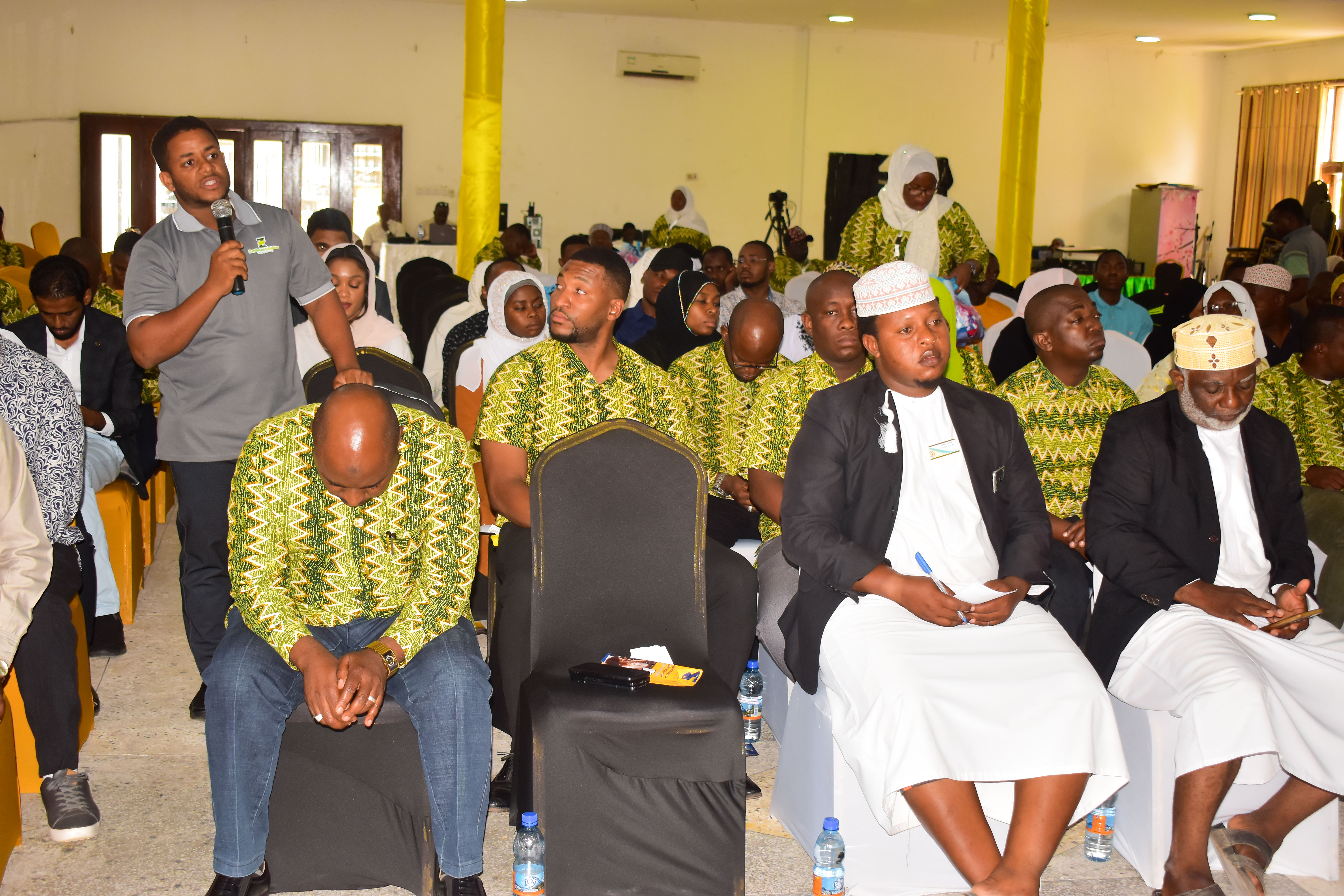
The leadership of ZanGreen Initiative proudly took part in the Zanzibar Civil Society Forum (ZANGOF), held under the theme “Promoting Peace Towards the 2025 General Elections in Tanzania.”
The forum brought together key stakeholders and high-level representatives, including the Registrar General of Civil Society Organizations in Zanzibar, the Chairperson of ZANGOF, the Executive Director of ZAFELA, the Executive Secretary of the Zanzibar Youth Council, the Chairperson of JUKTAMKIZ, the Vice Chairperson of SHIJUWAZA, and other distinguished leaders from various sectors across Tanzania.
Through this engagement, ZanGreen Initiative reaffirmed its commitment to social solidarity, peace advocacy, and collaboration in supporting a peaceful, inclusive, and transparent electoral process as Tanzania prepares for the 2025 General Elections.

25
Year
ZanGreen Initiative Promotes the MARIBoda Program Among Farmers
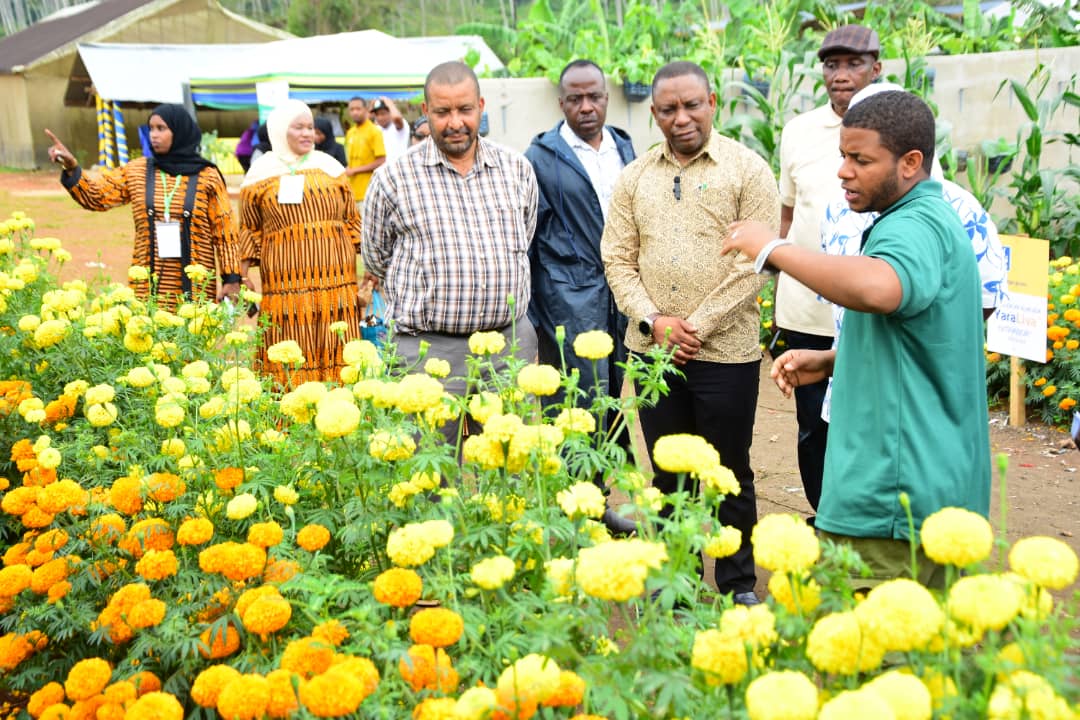
Mr. Ismail M. Hamed, the Project Manager of ZanGreen Initiative and Chairperson of BIZAGROVET, hosted Hon. Hemed S. Abdulla, the Second Vice President of Zanzibar, for a visit to the BIZAGROVET demonstration farm, which implements the innovative MARIBoda Program.
The visit also brought together various government officials, political party representatives, and religious leaders, who expressed great appreciation for the techniques and expertise demonstrated at the farm.
These high-level visits serve as a strong endorsement and awareness campaign for the MARIBoda Program, aimed at empowering farmers to embrace sustainable practices and fulfill their vital role in national development.
25
Year
ZanGreen Initiative Demonstrates Its Programs in Action
Mr. Ismail M. Hamed, the Project Manager of ZanGreen Initiative and Chairperson of BIZAGROVET, together with Mr. Masoud S. Nassor, the Executive Director of BIZAGROVET, had the honor of hosting H.E. Dr. Hussein A. Mwinyi, the President of Zanzibar and Chairman of the Revolutionary Council, during his visit to the BIZAGROVET demonstration farm.
The visit showcased the implementation of the MARIBoda Program and raised awareness among farmers on the adoption of the KIZINGIRA Program.
In collaboration with BIZAGROVET, the leadership of ZanGreen Initiative demonstrated and shared practical knowledge with Zanzibari farmers on innovative, safe, and productive agricultural techniques that promote sustainable farming.
Through this demonstration farm, national leaders, political representatives, and farmers from various regions across Tanzania had the opportunity to learn about the MARIBoda and KIZINGIRA Programs and their crucial role in improving livelihoods, protecting the environment, and advancing agricultural development in Zanzibar.
25
Year
ZanGreen Initiative Expands Its Programs into the Health Sector
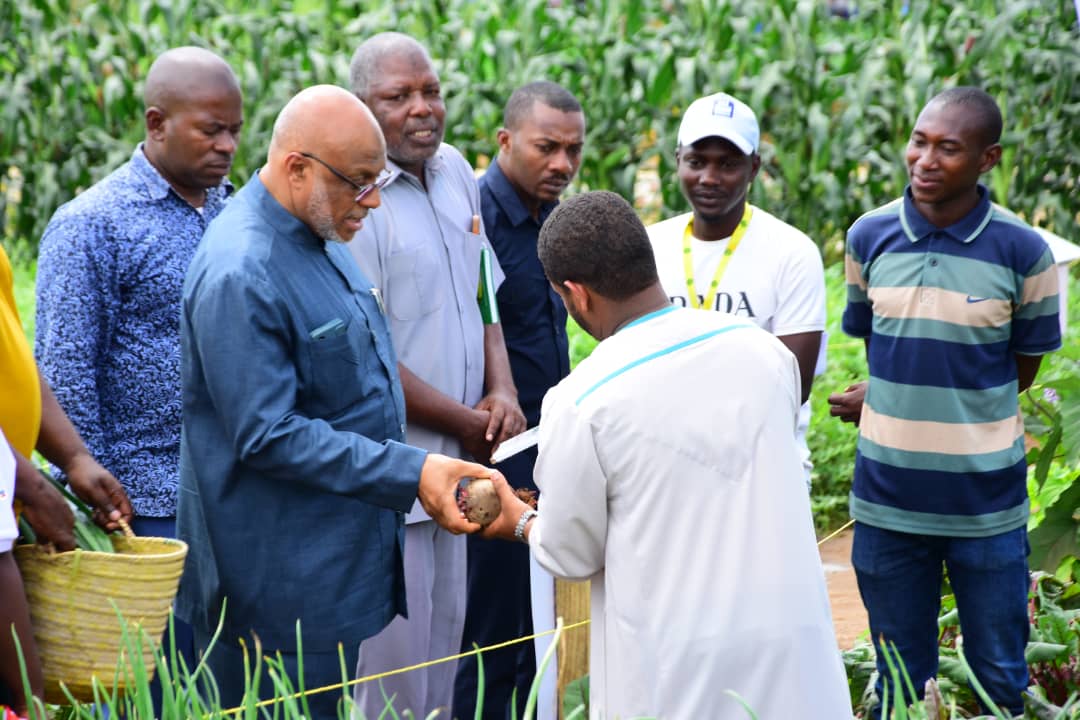
In advancing its mission to improve community livelihoods through sustainable agriculture, Mr. Ismail M. Hamed, the Project Manager of ZanGreen Initiative (ZGI), emphasized the importance of farmers producing safe and nutritious food to help address challenges related to malnutrition in the nation.
ZGI’s decision to extend its programs into the health sector was inspired by a visit from Hon. Nassor A. Mazrui, the Minister of Health – Zanzibar, who toured farms affiliated with the organization. The visit encouraged ZGI stakeholders to place greater focus on nutrition-sensitive agriculture and to promote the consumption of fruits and vegetables as a foundation for good health, rather than solely as remedies for illness.
Through its new Nutri-Lishe and MARIBoda programs, ZGI is empowering farmers and entrepreneurs with opportunities to learn, access markets, and achieve economic growth through health- and environment-friendly farming practices that strengthen both nutrition and sustainability.
25
Year
ZanGreen Initiative and Key Agricultural Stakeholders in Zanzibar
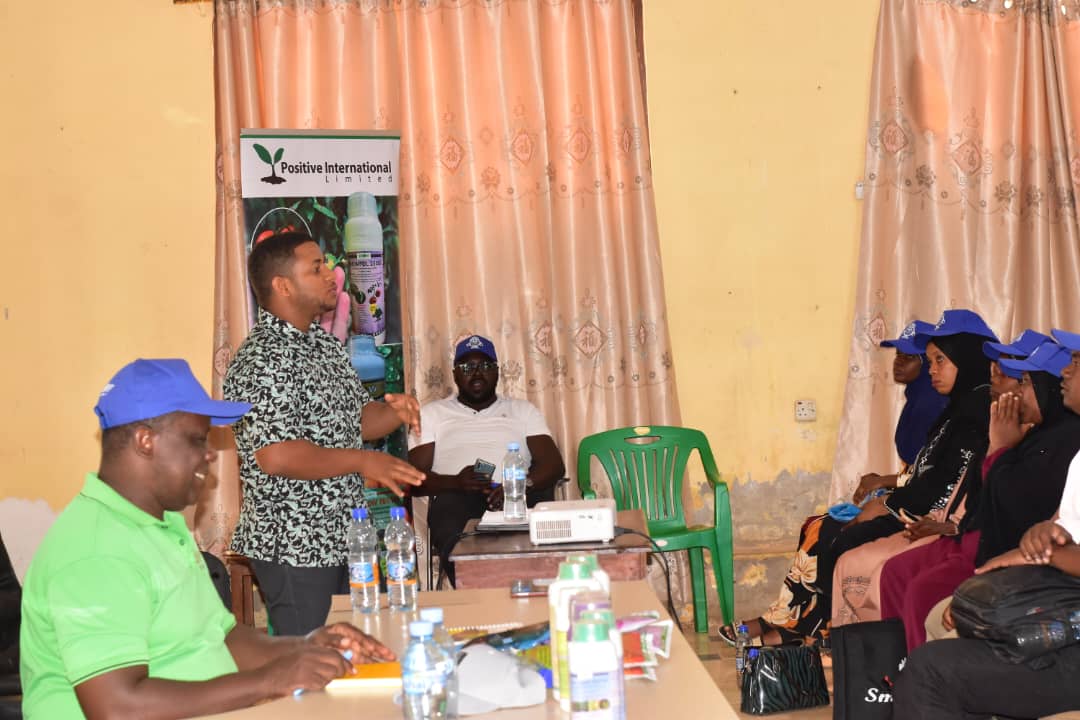
The ZanGreen Initiative (ZGI), in collaboration with POSITIVE International Ltd, conducted a specialized training session on safe and effective management of obsolete pesticides, residues, and pesticide containers in agricultural operations.
The workshop brought together trainers from POSITIVE International Ltd, along with representatives from the Department of Agriculture and Food Security, the Head of Agricultural Extension Officers in Zanzibar, and officers from PPD, RADO, DADO, and BEO across several districts — including Central, South, North A, North B, Urban, West A, and West B. The event also engaged agro-dealers and farmers from different districts throughout Zanzibar.
This workshop forms part of the ongoing commitment of ZGI through its KIZINGIRA Program, which aims to enhance awareness and promote safe pesticide management, while protecting the environment, farmer health, and soil quality, and advancing sustainable agriculture in Zanzibar.
25
Year
Continuation of ZanGreen Initiative’s Commitment
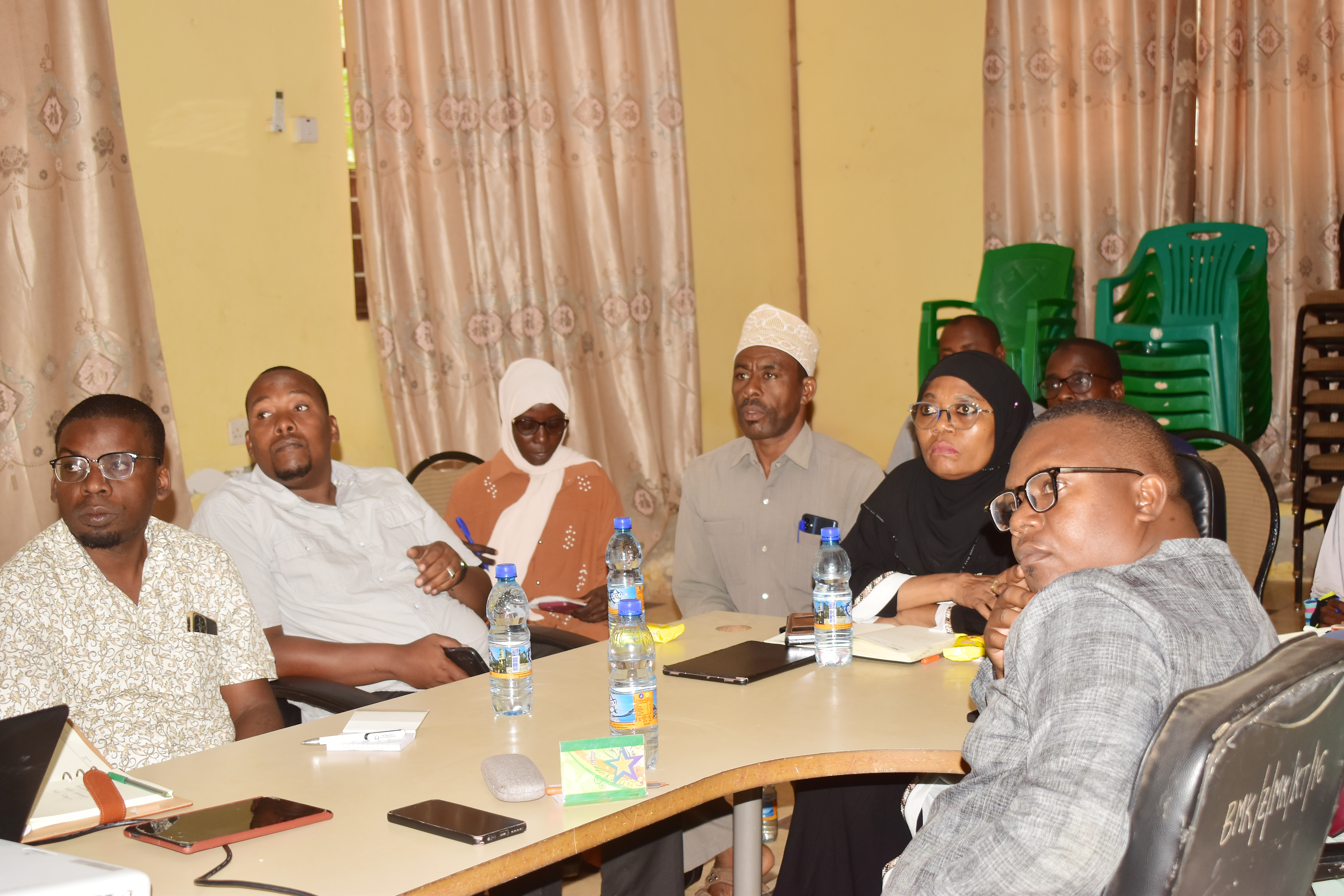
The leadership of ZanGreen Initiative (ZGI), together with members of the Central Municipal Council Committee, convened to discuss progress and strategies for environmental protection and management within the Central District of South Unguja.
This meeting is part of advancing Public-Private Partnership (PPP) policies and aligns with the goals and mission of ZGI to safeguard the environment and promote sustainable community development.
25
Year
ZanGreen Initiative Participates in PM2-61 Pesticide Safety Training
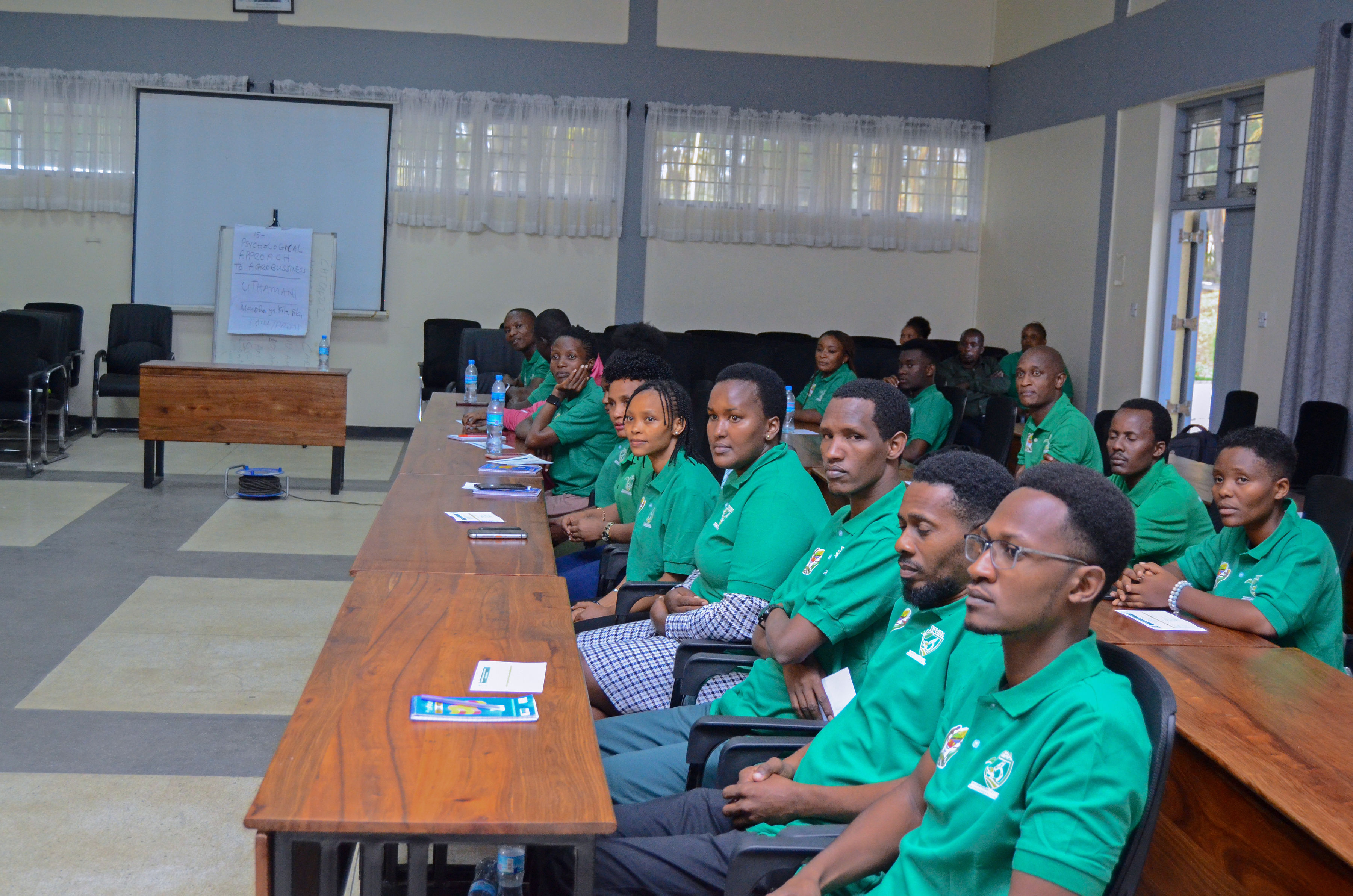
The leadership of ZanGreen Initiative (ZGI) participated in the 61st Proper and Safe Pesticide Use Training (PM2-61) organized by the Tanzania Plant Health and Pesticides Authority (TPHPA).
This 21-day training brought together trainers from various national institutions, including TOSCI, TFRA, and NFRA, along with participants from different organizations and agencies across Tanzania.
Through the program, participants gained comprehensive knowledge on safe pesticide use, management of obsolete pesticides, and mitigation of environmental impacts from pesticide containers.
ZanGreen Initiative continues to strengthen its expertise in environmental safety and plant health, while promoting sustainable agricultural practices for farmers across the country.

25
Year
ZanGreen Initiative Highlights Safe Management of Pesticide Containers
In collaboration with agricultural stakeholders in Zanzibar, ZanGreen Initiative (ZGI) has raised awareness about the challenges of improper storage and misuse of pesticide containers by farmers in the Northern and Southern regions of Unguja and Pemba.
Improper use and disposal of these containers can cause environmental contamination, affecting food, water sources, air, soil, and posing risks to human health, soil quality, and other living organisms.
In response, ZGI launched the KIZINGIRA Program, specifically designed to mitigate the negative impacts of pesticide containers in Zanzibar through education, collection, and safe disposal practices, promoting sustainable and environmentally responsible agriculture.